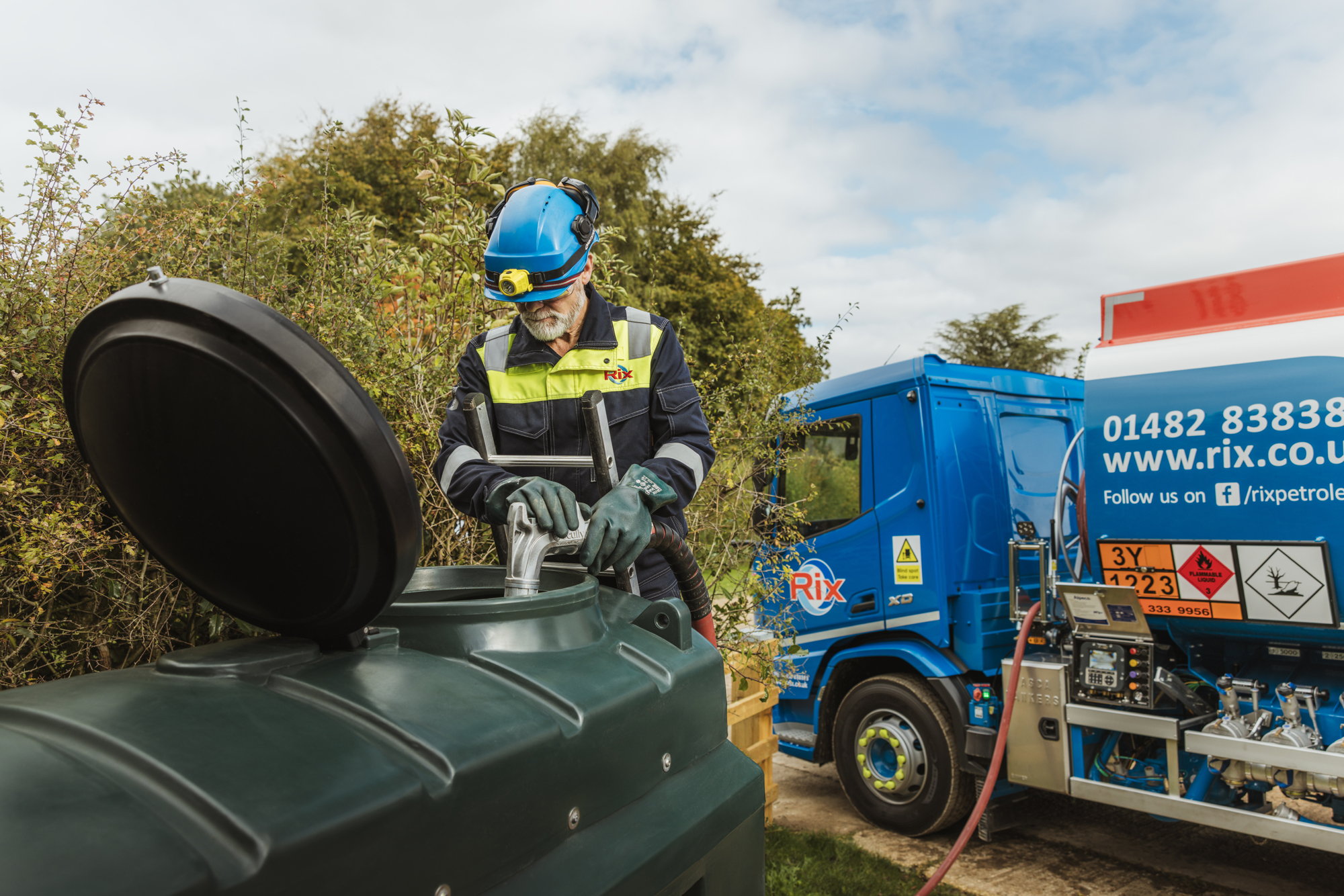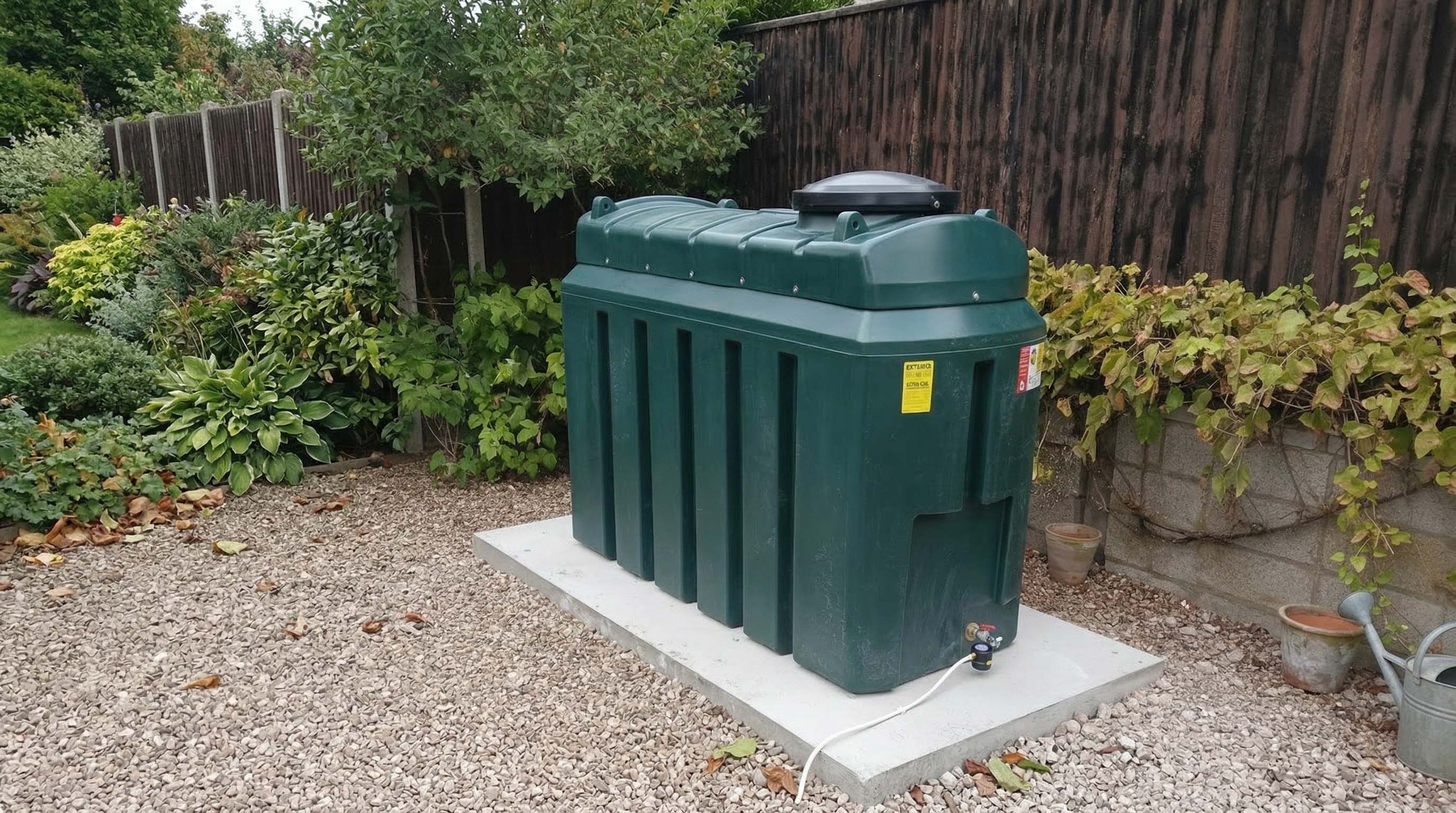

Heating oil tanks are designed to safely store fuel for long periods, but over time it’s possible for sludge to develop at the bottom of the tank. This build-up can cause a range of problems, from blocked filters to poor boiler performance.
Understanding why sludge forms in heating oil tanks and how to reduce the risk can help keep your heating system running reliably and avoid unnecessary maintenance issues.
Heating oil sludge is a dark, thick sediment that forms at the bottom of an oil tank. It is made up of a mixture of contaminants including:
•Dirt or debris that has entered the tank
•Rust or corrosion from older tanks
•Water that has condensed inside the tank
•Natural breakdown products from heating oil over time
Because sludge settles at the bottom of the tank, it may not cause problems immediately. However, when fuel levels drop or the tank is disturbed, this sediment can be drawn into the fuel line.
Sludge can affect several parts of your heating system if it enters the fuel supply.
Common problems include:
•Blocked fuel filters
•Reduced boiler efficiency
•Inconsistent burner performance
•Boiler shutdowns or lockouts
•Increased servicing requirements
In more severe cases, sludge can restrict fuel flow completely, preventing the heating system from operating until the issue is resolved.
Sludge usually develops gradually over time and is influenced by several factors.
Condensation can occur inside heating oil tanks, particularly when fuel levels are low. Water sitting at the bottom of the tank can encourage microbial growth and contribute to sludge formation.
Older tanks may develop internal corrosion or rust, which can introduce particles into the fuel.
Heating oil stored for extended periods can slowly degrade, allowing heavier compounds to settle out of the fuel.
Although rare, small particles can occasionally enter the tank through vents or during deliveries if the tank is not well maintained.
Premium heating oil is still kerosene-based but typically includes additives designed to support cleaner fuel performance.
These additives can help by:
•Supporting cleaner combustion within the heating system
•Helping keep contaminants suspended in the fuel rather than settling
•Reducing the build-up of deposits in fuel lines and burners
While premium heating oil cannot eliminate sludge entirely, it can help reduce the likelihood of sediment-related problems over time.
Alongside choosing high-quality heating oil, there are several practical steps homeowners can take to minimise sludge formation.
Maintaining a higher fuel level helps reduce condensation inside the tank.
Inspecting your tank for damage, corrosion or water ingress can help prevent contaminants entering the system.
A regular service helps ensure filters, burners and fuel lines remain clean and operating efficiently.
Consistent fuel quality and proper delivery practices help minimise contamination.
Early warning signs can include:
• Boiler repeatedly locking out
• Reduced heating efficiency
• Dirty or clogged fuel filters
• Unusual burner noise
• Difficulty maintaining consistent heat
If you notice these symptoms, a heating engineer can check whether sludge may be affecting your system.
Sludge build-up in heating oil tanks is a common issue that can develop gradually over time. While it can lead to problems if left unchecked, understanding the causes and taking preventative steps can help protect your heating system.
Using high-quality heating oil, maintaining your tank and servicing your boiler regularly can all help reduce the risk of sludge affecting your fuel supply.